HelmetSight G808 and G901 smart helmet systems for industrial field operations
Smart helmet systems for field operations

Industrial Smart Helmets & Helmet-Mounted Terminals

HelmetSight supplies integrated smart helmets (G808) and detachable helmet-mounted terminals (G901) for industrial field operations. Choose a complete monitoring platform, connect the devices to an existing enterprise system, or build with your own APK and backend—according to the workflow and control your project requires.

Integrated Helmet
G808 complete hardware
Detachable Terminal
G901 for existing helmets
Customer-Controlled
Your APK and backend
Smart helmet manufacturing and delivery

From Product Validation to Stable Mass Production

HelmetSight is a China-based smart helmet hardware supplier supporting customers from initial POC samples and field evaluation through production engineering, quality control, and stable volume supply. We manufacture the integrated G808 and detachable G901, with private-platform and customer-owned APK collaboration available when required.

A pilot confirms the product and technical requirements. Reliable mass production is the commercial objective.
International safety professionals evaluating HelmetSight smart helmet products at an industry exhibition
International customer evaluation Hands-on product validation

Manufacturer Delivery Path

Each stage reduces technical and production risk before the project enters repeatable batch manufacturing.

01

POC and Sample Confirmation

Confirm the device model, required functions, accessories, customization scope, and sample configuration.

02

Field Pilot and Acceptance

Validate operation, network conditions, video, communication, safety events, data flow, and customer acceptance criteria.

03

Production Engineering

Lock the product configuration, BOM, firmware or APK path, packaging requirements, inspection process, and production quality standard.

04

Stable Mass Production

Move into repeatable assembly, batch inspection, delivery planning, and consistent long-term product supply.

Product selection

Choose the Right Smart Helmet Terminal

G808 and G901 support similar field-visibility goals, but they create different PPE, logistics, integration, and software responsibilities.

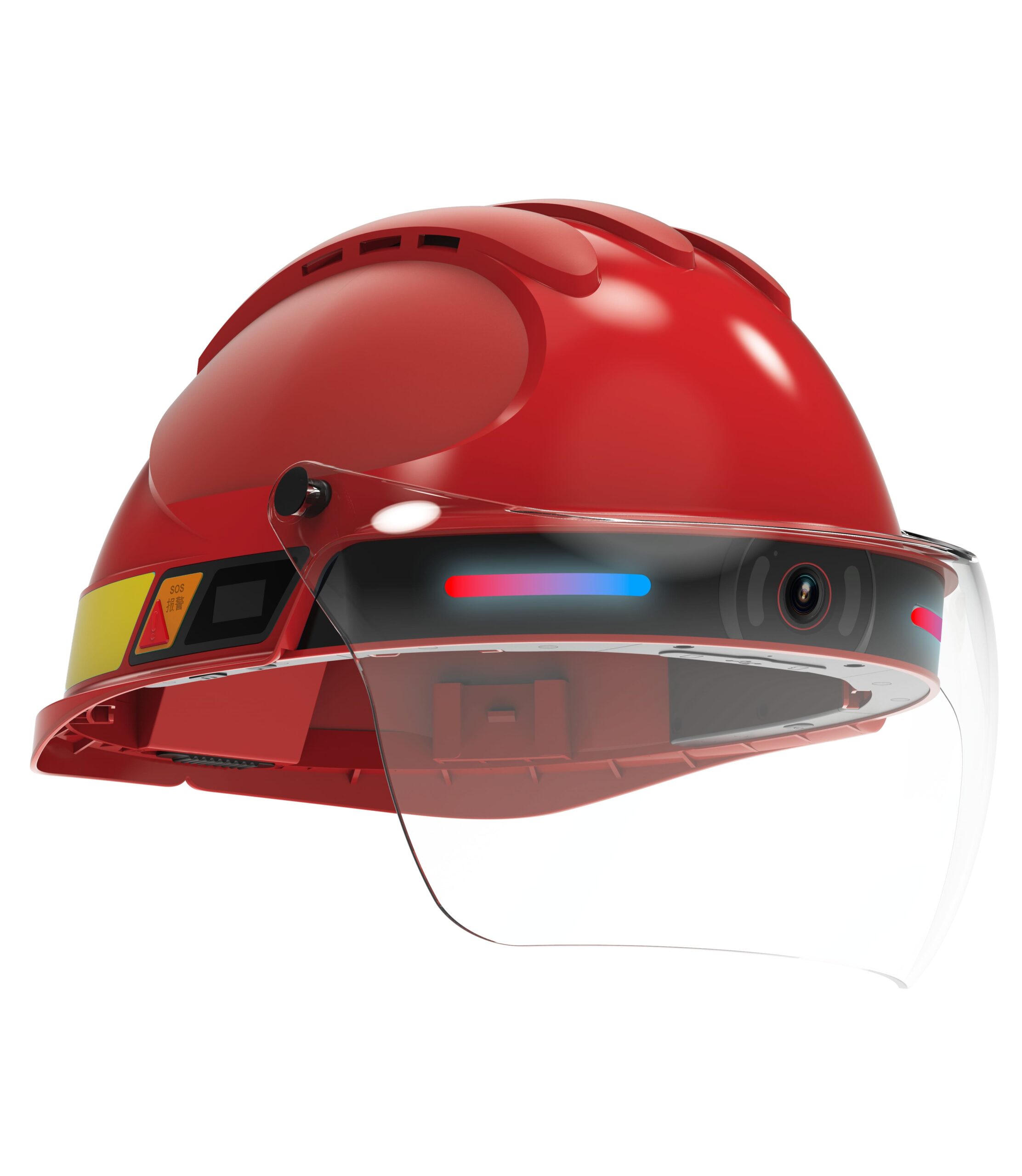
G808 integrated smart safety helmet with red shell and protective visor
Integrated helmet

G808 Smart Safety Helmet

A complete smart safety helmet that combines the helmet shell and smart electronics in one product.

Best for
Teams that want a complete, integrated smart helmet.
Software path
Standard platform/private deployment or a customer-owned APK connected directly to the customer backend.
Check before scale
Local PPE certification, shell acceptance, lifecycle, replacement, freight, color, and inventory requirements.
View G808 Details
G901 detachable helmet-mounted recorder installed on a compatible safety helmet
Detachable smart terminal

G901 Helmet-Mounted Recorder

A detachable smart recorder for teams that want to retain compatible existing safety helmets or build their own Android application and backend.

Best for
Existing PPE fleets, system integrators, software teams, AI projects, and regulated overseas markets.
Software path
Standard platform functions or a customer-owned APK that connects directly to the customer backend.
Check before scale
Helmet and bracket compatibility, site policy, software ownership, alarm logic, security, and maintenance responsibilities.
View G901 Details

Not sure which product fits your project?

Product selection should consider PPE certification, existing helmet policy, required data, software ownership, pilot goals, logistics, and the expected production path—not appearance or unit price alone.

Request a Product Recommendation
Customer-controlled architecture first

Connect Helmet Hardware to Your System

Customer-owned applications and backends are the primary integration path. Data and media interfaces, optional supplier monitoring software, and a one-month cloud demonstration are evaluated only when they fit the project.

Hardware Select G808 or G901
Integration Confirm interfaces
Ownership Control your workflow
01 · Primary integration path

Customer-Owned APK & Backend

Best for: software ownership and custom field workflows

Run a customer-developed Android application on a project-confirmed G808 or G901 configuration and connect the device to the customer’s own backend, protocol, security model, and user experience.

  • Customer-defined application and backend workflow
  • Model-specific camera, audio, GPS, key, and sensor interfaces
  • Customer-controlled security, updates, data, and maintenance
Interface availability and any functions replaced by the customer APK must be confirmed for the selected model and firmware.
Review Customer APK Integration
02A · Project-specific integration

Data & Media Integration

Connect approved device or software outputs

Discuss device data, platform-side APIs, media access, or a tested RTSP route according to the selected hardware, firmware, and customer architecture.

Review Data & Media Options
Model and firmware scope
Data fields and event ownership
Live media and network testing
Customer backend responsibilities
02B · Optional software path

Supplier Monitoring Software

When the customer requests a ready monitoring workflow

Optional supplier software can support device, GPS, alert, media, playback, and user-management workflows. Private deployment is discussed only when specifically required.

View Optional Software
Device and user management
GPS, alerts, and media workflows
One-month cloud demonstration for POC
Optional private deployment by scope
Technical qualification

Define the Project Before Choosing the Interface

A serious smart helmet project should not begin with the question “Is there an API?” It should begin by defining the data, ownership, timing, scale, network, and measurable pilot result.

01

Required Data

GPS, device state, processed alarms, raw sensors, live media, recorded evidence, commands, or business records.

02

Data Ownership

Decide whether HelmetSight platform logic or the customer's APK and backend create and manage the result.

03

Timing

Define acceptable freshness, alarm delay, video startup, communication latency, and command response.

04

Scale

Separate total fleet size from simultaneous devices, live streams, media volume, API traffic, and retention.

05

Network

Evaluate 4G, Wi-Fi, private network, bandwidth, firewall, offline duration, reconnect behavior, and data residency.

Turn Requirements Into Pilot Tests

HelmetSight helps convert important requirements into observable acceptance criteria before production architecture and commercial scope are finalized.

GPS freshness and track continuity
Alarm fields and acceptable delivery delay
Video startup, latency, stability, and reconnect
Media retrieval and offline recovery
Command delivery, acknowledgment, and retry
Device, stream, API, and storage scale
Optional software evidence

Monitoring Software Demonstration

This supplier monitoring interface is one optional workflow for device, user, GPS, alert, media, playback, and operational management. Customers may instead connect G808 or G901 to their own application and backend. Private deployment is discussed only when specifically requested.

Device and user management
GPS and track workflows
Safety-event records
Video and media workflows
Playback and evidence review
Project-specific integration

G901 Command Monitoring Demo

See an optional supplier software workflow for G901 video, communication, device information, messaging, and GPS visibility. This demonstration does not define the required customer production architecture.

Watch on YouTube →
Application scenarios

Smart Helmet Solutions for Field Operations

Each project should combine the correct terminal, technical path, production architecture, and measurable operating workflow.

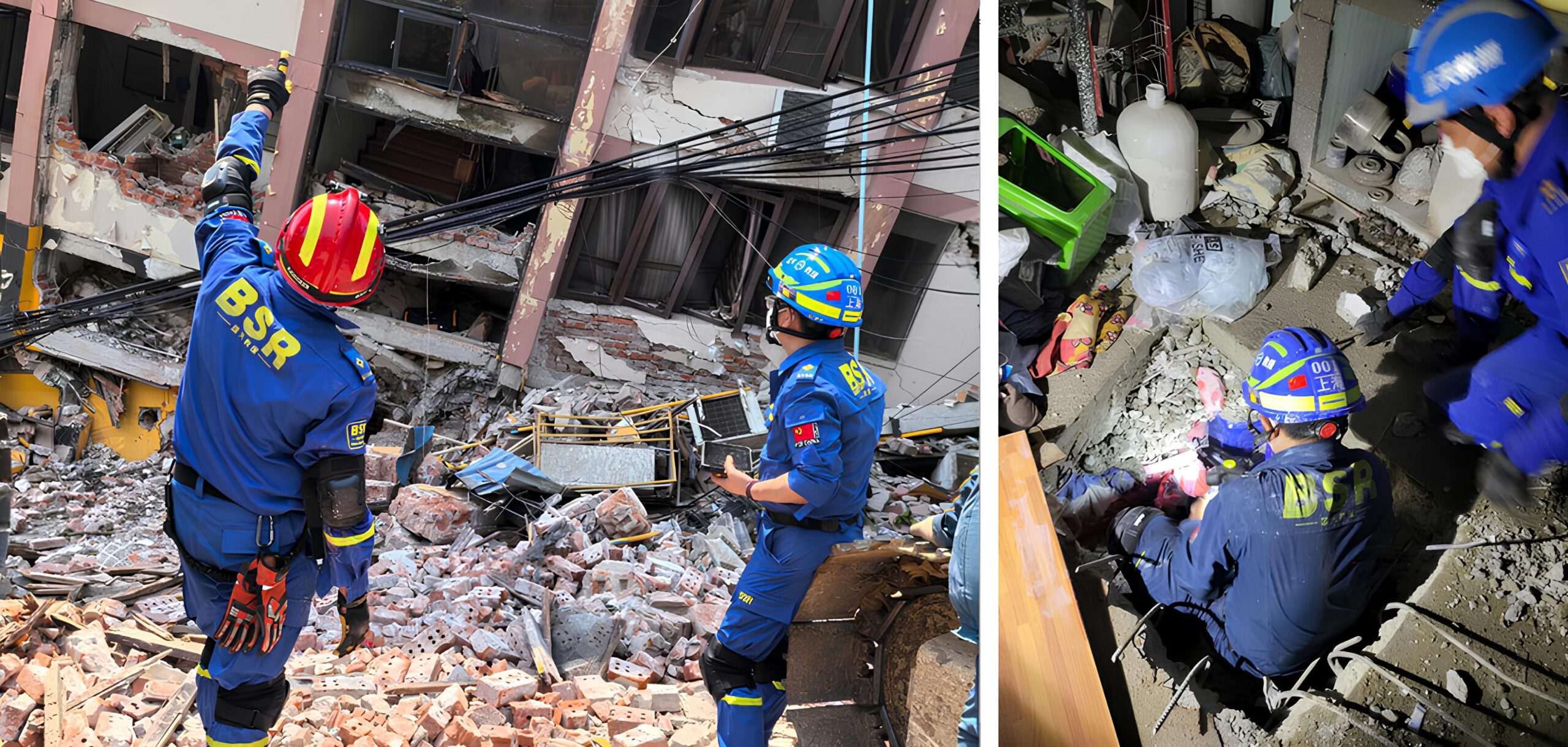
Emergency rescue team wearing G808 smart helmets during earthquake response operations

Emergency Rescue

Field visibility, responder communication, GPS awareness, safety events, and command-center coordination.

Explore the Solution →
Workers conducting night construction site operations in reflective safety equipment

Construction Site Safety

Remote visibility, location awareness, incident evidence, communication, and project-specific safety workflows.

Explore the Solution →
Utility technician performing an equipment inspection inside a power substation

Utility and Power Operations

Inspection visibility, field-team coordination, event records, remote guidance, and private deployment options.

Explore the Solution →
Procurement and technical review

Start With the Project Framework

A healthier quotation and pilot process begins by confirming the product, software path, production architecture, scale, network, and compliance boundary.

Application and Country

Industry, target environment, country, worksite, and applicable PPE or project requirements.

Product Path

Integrated G808, detachable G901, or a project-specific product evaluation.

Software Path

Standard platform, private deployment, platform integration, or customer APK on G808 or G901.

Required Data

GPS, device status, processed alarms, raw sensors, live media, recorded evidence, or commands.

Pilot and Scale

Pilot quantity, production quantity, simultaneous devices, streams, API traffic, and retention.

Network and Storage

4G, Wi-Fi, private network, offline operation, data region, local storage, and server requirements.

Smart helmet FAQ

Frequently Asked Questions

Common questions about product selection, pilot validation, private deployment, and customer-owned software.

What is the difference between G808 and G901?
G808 is an integrated smart safety helmet supplied as a complete helmet product, while G901 is a detachable smart recorder for compatible existing helmets. Both Android terminals can support a customer-owned APK; choose the product by PPE form factor, mounting, certification, and project requirements.
Is the cloud platform recommended for production deployment?
No. Public cloud access includes one month free for sample, pilot, and POC validation. Production can use a complete monitoring platform, enterprise integration, or a customer-owned G808/G901 APK and backend, depending on operational workflow, system ownership, security, and hosting requirements.
Can we install our own APK on the smart helmet terminal?
Customer APK availability applies to both G808 and G901. A customer APK can be discussed for access to camera, audio, GPS, local media, physical keys, controls, and selected sensor data. The customer remains responsible for its application, backend, protocols, alarm logic, security, storage, updates, and maintenance.
Can HelmetSight integrate with our existing platform?
Integration can be discussed through platform APIs, media interfaces, SDK components, protocols, or a customer-owned APK depending on the required data, media workflow, timing, deployment architecture, and engineering confirmation.
What should be validated during a pilot?
Pilot criteria should match the real project. They may include device visibility, GPS freshness, required alarm fields, video startup and stability, media retrieval, command delivery, offline recovery, network behavior, and the required number of simultaneous devices or streams.
Does HelmetSight support OEM or ODM projects?
HelmetSight can discuss product branding, platform display customization, accessories, hardware configuration, software interfaces, and project-specific development. Broader ODM work depends on confirmed requirements, expected quantity, engineering review, development cost, and schedule.
Define your next step

Build the Right Smart Helmet System

Share your application, country, product preference, required data, software path, pilot quantity, production scale, and network environment. HelmetSight can help define the appropriate product, pilot, and production architecture.